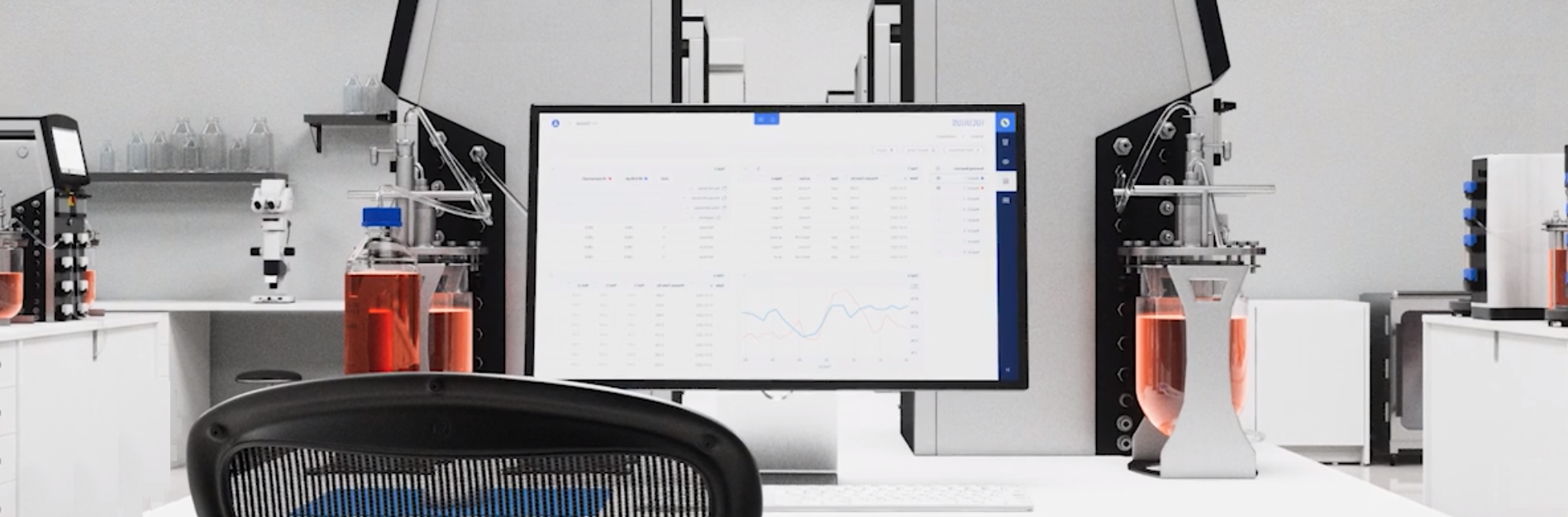
Driving the future of nutrient intelligence
BioScanTech is focused on building a clinically meaningful, real time nutrient sensing platform that bridges the gap between biotechnology, embedded systems, and personalised health. Our work spans hardware, software, calibration, inference, and user facing insight all engineered for accuracy and accessibility.
The core priorities guiding our development
Each pillar represents a critical component of the BioScanTech ecosystem from sensor engineering to clinical grade interpretation.
1. Precision Sensing Hardware
Developing compact, low power optical sensing modules capable of capturing nutrient linked spectral signatures with high fidelity.
2. Robust Calibration Framework
Ensuring device to device consistency through reference standards, calibration libraries, and controlled sample workflows.
3. Real Time Data Pipeline
Building a modular acquisition and preprocessing engine that transforms raw signals into clean, normalised data ready for inference.
4. Nutrient Inference Models
Designing explainable models that convert spectral features into nutrient scores, deficiency indicators, and metabolic patterns.
5. Clinical Grade Recommendations
Translating biochemical insight into actionable guidance that supports personalised nutrition and metabolic health.
6. Dashboard & User Experience
Delivering clear, modular UI panels that present nutrient data, trends, and recommendations with clinical clarity.
A phased approach to scalable deployment
BioScanTech's roadmap is structured to ensure scientific rigour, technical stability, and real world usability from prototype to clinical integration.
Phase 1 Prototype & Calibration
Hardware prototyping, spectral capture validation, calibration sample collection, and early nutrient signature mapping.
Phase 2 Inference Engine Development
Feature extraction, nutrient scoring models, explainability logic, and integration with the embedded pipeline.
Phase 3 Dashboard & UX
Modular UI panels, nutrient role diagrams, trend visualisation, and clinician friendly interpretation.
Phase 4 Pilot Testing
Controlled environment testing, sample diversity expansion, and refinement of calibration and inference models.
Phase 5 Clinical Integration
Collaboration with healthcare partners, regulatory preparation, and deployment in clinical and wellness settings.
Phase 6 Scalable Manufacturing
Hardware optimisation, supply chain alignment, and preparation for large scale production.